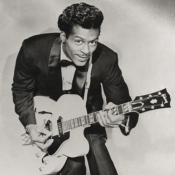
Discover the life, music, and lasting legacy of the true architect of rock and roll. We will explore how Chuck Berry fused country, blues, and rhythm and blues music to create the definitive sound of a generation. Through vintage performance clips and audio recordings, we will trace his journey from a St. Louis cosmetology student to a global superstar. Learn the stories behind timeless anthems like "Johnny B. Goode" and "Maybellene," analyze his iconic "duckwalk" showmanship, and examine how his innovative guitar riffs shaped the Beatles, the Rolling Stones, and everyone who followed.